

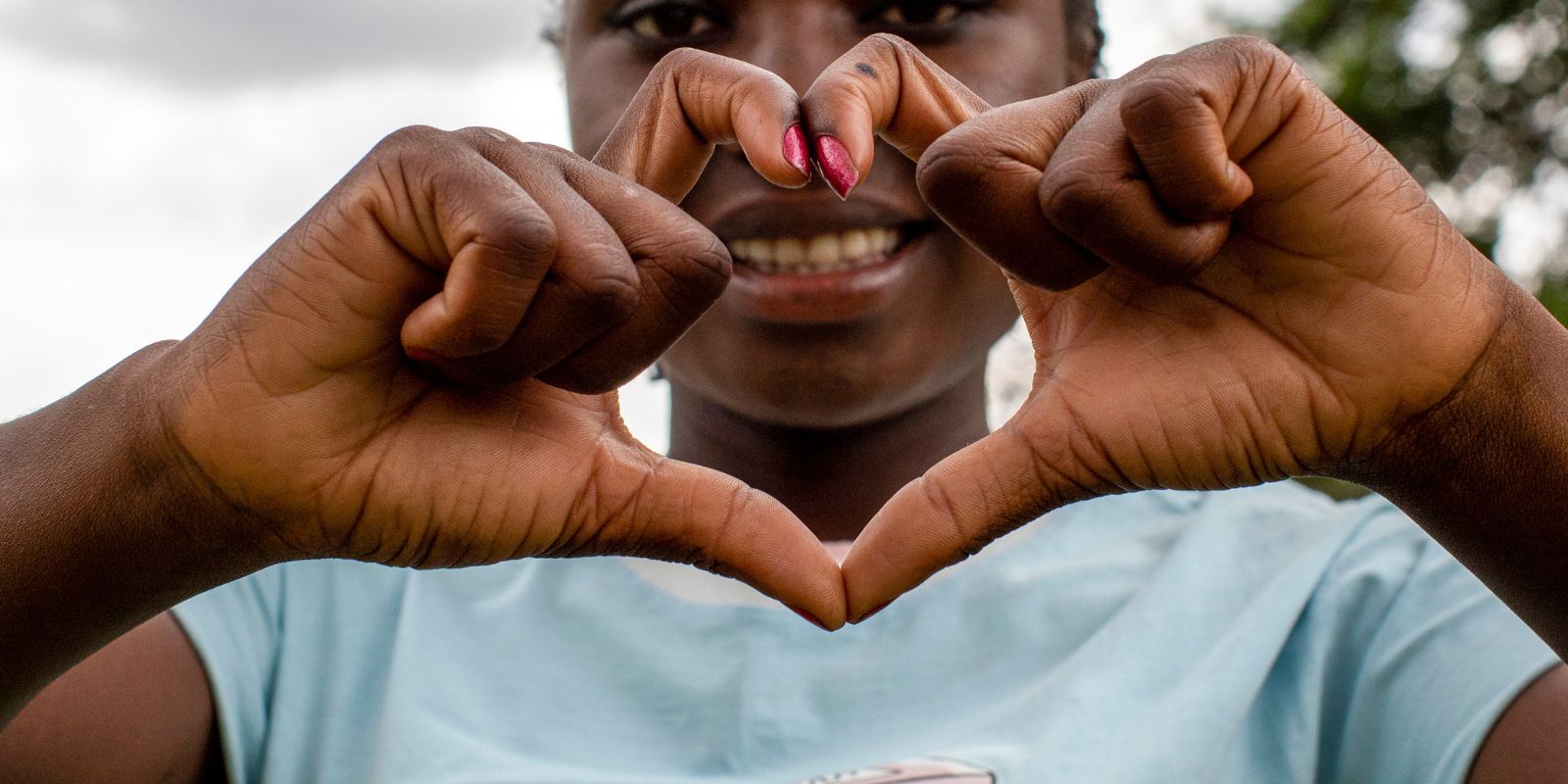
Explore the Love Alliance Directory of Resources, our collection of reports, toolkits, and lessons learned gathered throughout the Love Alliance journey. Here you’ll find best practices, powerful advocacy tools, and inspiring stories that will continue to drive progress well beyond the programme.
The directory is organised into thematic categories, offering deeper insights into our work and the impact achieved under each theme. Explore this curated selection of resources below.
Advocacy, movement building and legal reform
The Love Alliance worked to unite and empower communities — people who use drugs, sex workers, and LGBTIQ+ individuals — across 10 African countries to lead systemic change and protect human rights. Our goal was to remove barriers such as criminalisation, stigma, and discrimination, and to create policy environments where civic space was protected and rights were strengthened.
We supported communities to take part in legal and policy processes at national, regional, and global levels. Through participatory grant-making, we channeled resources directly to community-led advocacy partners, ensuring they shaped strategies and funding decisions for health and human rights. We focused our efforts on building strong, collaborative movements and connecting local priorities with regional and global policy spaces.
The following resources highlight the work of the Love Alliance partners related to advocacy, movement building and legal reform:
- Community Leadership and Societal Enablers (CLSE) White Paper
- Love Alliance Change Stories
- Tracking the Anti-rights Movement in Africa: Who’s Spreading the Hate?
- Dangerously Off Track: How Funding for the HIV Response is Leaving Key Populations Behind
- Love Alliance Global Advocacy Strategy: Speak-out for Health & Human Rights
- How Sex Work Laws Are Implemented on the Ground and Their Impact on Sex Workers
- A Scoping Review on Community led and Other Responses for SRHR: The mutuality of community leadership and legal determinants
- Toolkit for effective PWUD strategies: Our Rights, Every Body’s Rights
- Movement Building Guide
Health and rights–based approaches for people who use drugs
The Love Alliance works to protect health and rights through a human rights-based approach for people who use drugs, including harm reduction. We put people who use drugs at the heart of policy and service reform, and connect their movements with sex worker and LGBTIQ+ communities across 10 countries.
Our efforts ranged from building local capacity to driving major policy changes—like ending criminal penalties for drug-related paraphernalia in Kenya and securing funding for opioid substitution treatment in South Africa. We’ve also helped expand harm reduction services in Mozambique.
To amplify impact, Love Alliance supported the creation of practical resources on drug decriminalisation, influenced global policy discussions, and generated local evidence to strengthen advocacy and improve human-centered services. The following resources highlight the work of the Love Alliance partners related to health and rights based approaches for people who use drugs:
- Drug Decriminalisation: Progress or Political Red Herring?
- Toolkit for effective PWUD strategies: Our Rights, Every Body’s Rights
- Dignity, Diversity and Policing training
- African Drug Policy & Harm Reduction Data Base
Advancing the rights of sex workers
The Love Alliance took a rights-based approach to strengthen sex worker movements and connect them with people who use drugs and LGBTIQ+ communities across 10 African countries. We focused on community-led advocacy, providing tailored support, mentorship, and capacity building—especially for young and female sex workers.
Our work challenged harmful laws and policies, including supporting efforts to decriminalise sex work through the Criminal Law Sexual Offences and Related Matters Amendment Bill in South Africa. We addressed stigma and violence by partnering with law enforcement through initiatives like the Dignity, Diversity, and Policing programme, improving systems to monitor rights violations, and advocating for access to non-discriminatory sexual and reproductive health and HIV services.
We also used global accountability platforms, submitting shadow reports to the Universal Periodic Review and engaging with the CEDAW Committee, to hold governments accountable for upholding the rights of sex workers.
The following resources highlight the work of the Love Alliance partners related to sex workers’ rights:
- How Sex Work Laws Are Implemented on the Ground and Their Impact on Sex Workers
- Global Monitoring of CEDAW Concluding Observations Relating to Sex Work
- Smart Sex Workers Guide to Anti-Rights Movements and Sex Work
- Movement Building Guide
- Dignity, Diversity and Policing training
Empowering young people for change
The Love Alliance placed youth, gender, and inclusion at the heart of its work, ensuring young people—especially those marginalised and living with HIV—led health and human rights advocacy. We focused on building the next generation of leaders across LGBTIQ+, sex worker, and people who use drugs movements.
We strengthened capacity through initiatives such as the Young Emerging Leaders (YEL) programme, which offered training and mentorship to help young activists engage in global decision-making and advocacy. Young leaders took part in movement-building and national coordination platforms, and gained skills in areas like digital security and advocacy to counter anti-rights campaigns.
Our commitment ensured young voices were included in sexual and reproductive health and HIV policy discussions, pushing for youth-led spaces and resources at both national and global levels.
The following resources highlight some of the work of Love Alliance partners related to young people:
- Back home after ICASA 2021 – Love Alliance Global Strategy and its bold vision for youth-led advocacy
- Young people’s engagement in PEPFAR Process’ guide
- My Reality Podcast: Voices from Y+ Global
The Love Alliance made gender equality and inclusion a core part of its work. Discrimination and anti-gender rhetoric harm key populations, so we focused on the wellbeing of women, girls, and gender-diverse people within movements of people who use drugs, sex workers, and LGBTIQ+ communities. Our approach included training young LBQ women for leadership, supporting gender-diverse advocacy, and creating resources like the first WHO guidelines on gender-affirming care. We fight gender-based violence and discrimination based on sexual orientation and gender identity. Key wins include lobbying for UPR recommendations in Zimbabwe to address violence against LGBTIQ+ people and advancing strategic litigation for trans rights in Egypt. We also back youth and women-led groups and push for policies and services that respect all identities.Gender equality and inclusion