

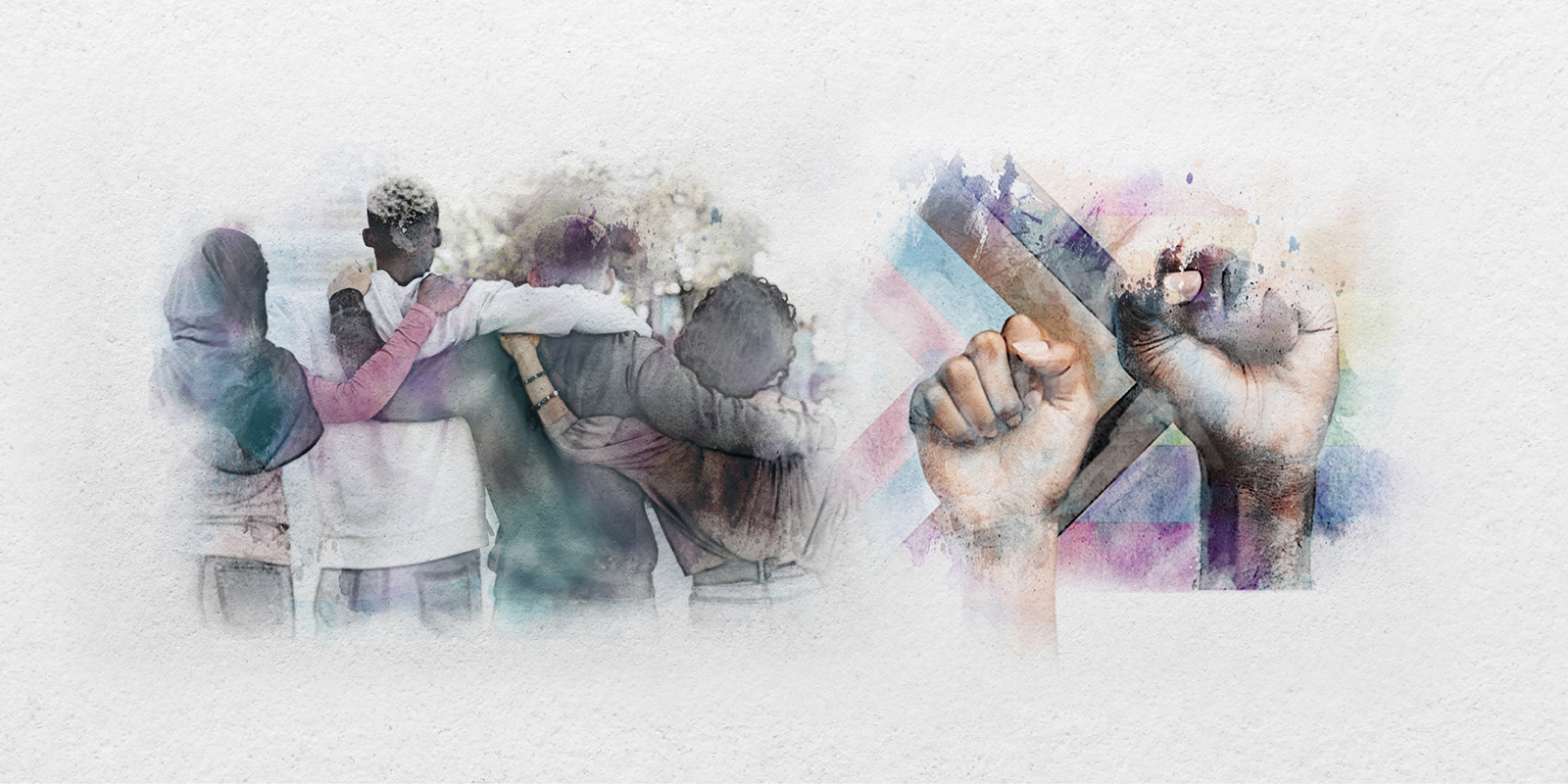
When the trifecta of religion, culture and government bureaucracy pushes your back against the wall, how do you resist? When you are saddled with the double baggage of being marginalised and criminalised, how do you stay resilient? When your existence is illegal, how do you advocate for yourself? How do you advocate for community? How do you build and sustain a movement?
The answer may lie in trust!
To trust is to believe in the reliability of something or the ability of someone. Trust essentially is belief, and belief is an act of faith. Whether it is leadership, community organising or interpersonal relationships, trust has always been a crucial part of the social and cultural fabric of our civilisation. It is embedded in our native wisdoms. One can even say that trust is the ultimate currency.
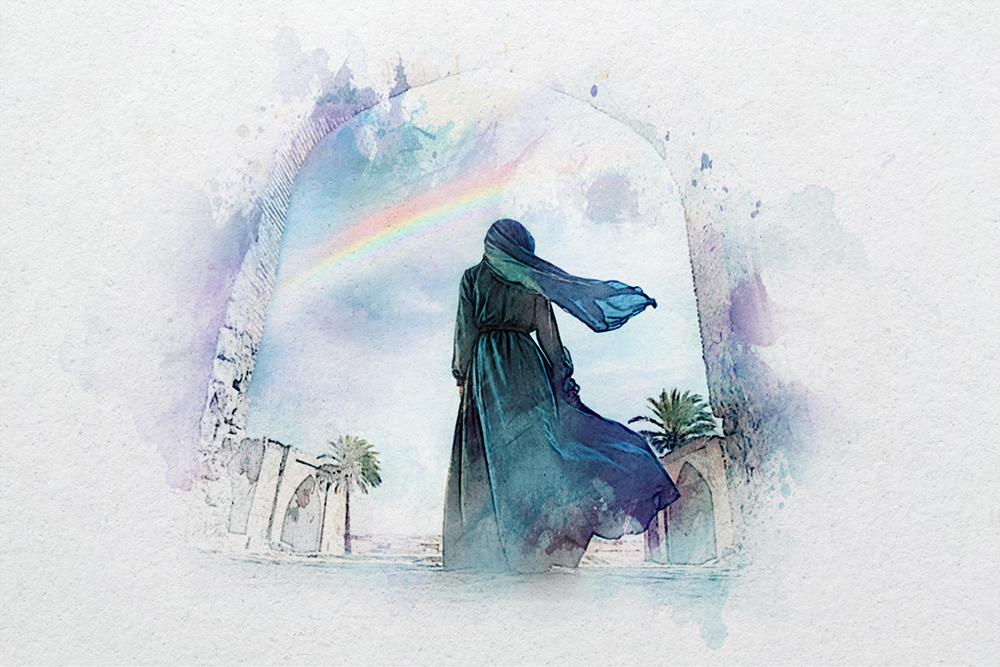
A community member overlooks the city as a rainbow frames the sky, a symbol of hope & inclusivity.
Communities have organised based on the trust and faith they put in their leaders or each other. Trust has been the foundation of support for a system that thrives. Trust has laced the grounds for safety.
Raising donor funding in North Africa has been and continues to be a mammoth task. In a place that only receives about 1% of donor funding, the work of advocacy requires methodologies that protect communities and allows activists carry out their work without the risk of harm.
In places like Egypt and Morocco, there are stringent laws around LGBTIQ people and people living with HIV where the consequence could result in an arrest, prison time or even their death. This kind of persecution means that for so long, the existence of many marginalised communities has survived on a kind of erasure from public consciousness. That erasure has had dire consequences. From the difficulties in identifying members of communities or the help that is required as well as the necessary skill and infrastructures to cater to their needs.
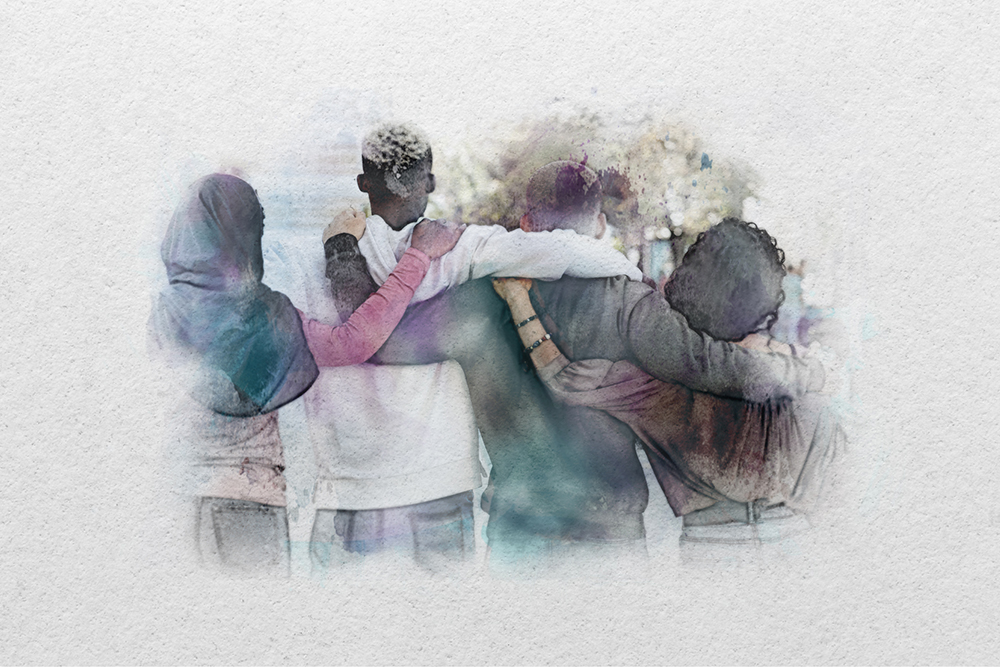
Solidarity with the LGBTIQ+ community is key.
Love Alliance has worked with the Global Network of People Living with HIV (GNP+) as an implementation partner across the region. The outcome has been an advocacy process built on newer methodologies. Love Alliances’ approach in this region has focused on new priorities that involved a decolonial approach to funding. The implementation of participatory grant making is community based with a keen focus on the theory of change. The first in the region.
As religion, culture and society serve as powerful tools for policing, many organisations and associations cannot be registered due to their advocacy activities. Working with individual consultants who help disburse the funding to communities to carry out their projects on the ground, is one of such approaches.
This way, Love Alliance through its flexible funding model provides security and safety without compromising communities.
There are multiple layers of trust happening here. One with the implementation partner assisting with the role as an umbrella organisation whose reputation serves as collateral and that collateral is legitimacy.
The second are the consultants who are also audited for transparency enabling checks and balances. This approach of trust forms a pathway to formalise what seems like an informal structure, simultaneously recognising indigenous methods of funding resistance movements.
Through the work with GNP+, grants have focused on pillars of sustainability that contribute to formalisation. By building structures that ensure that the work can thrive for the long term.
The Lebanon based organisation MENA ROSA has been a grant recipient. A regional network of women living with HIV in Lebanon. The grants have supported women who use drugs and enabled capacity building for monitoring and evaluation of strategic plans within the network.
They have also been beneficiaries of Pan African Love Alliance grants that have propelled collaborations with civil society organisations, governments and community leaders in other regions.
Through this process they are learning from other grantees as well as countries with longer established advocacy structures in Kenya, Nigeria, South Africa as well as international consultants with knowledge and expertise in gender and HIV work.
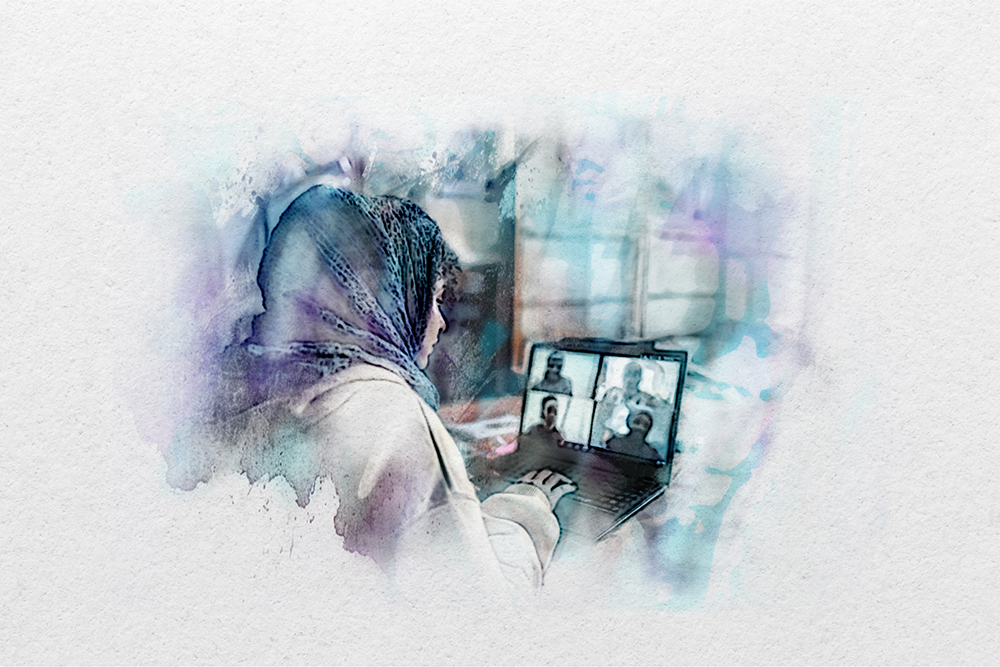
A MENA ROSA volunteer having a Zoom call on her laptop. She’s speaking to partners in Kenya, South Africa about gender and HIV work.
The impact of the fund has seen them establish research on the communities they serve. Organise training workshops with service providers tailored for women and their health rights. They are now including media and religious institutions into advocacy plans because as we all know the work of legislative and policy reform must be in collision with cultural shifts for significant change to happen.
This work isn’t without its difficulties. Lebanon has had a monetary crisis making it difficult to receive money from outside the country. Egypt requires five to six months to approve projects due to bureaucracy, identifying women sex workers, drug users and those living with HIV is also fraught with its own problems. It is not easy working with people who are marginalised and criminalised especially in grassroots organisations. MENA ROSA itself is unregistered which means it also works with a local host. They do their best to mitigate logistical challenges, organise special out reaches with community leaders in each country to help identify those that need support.
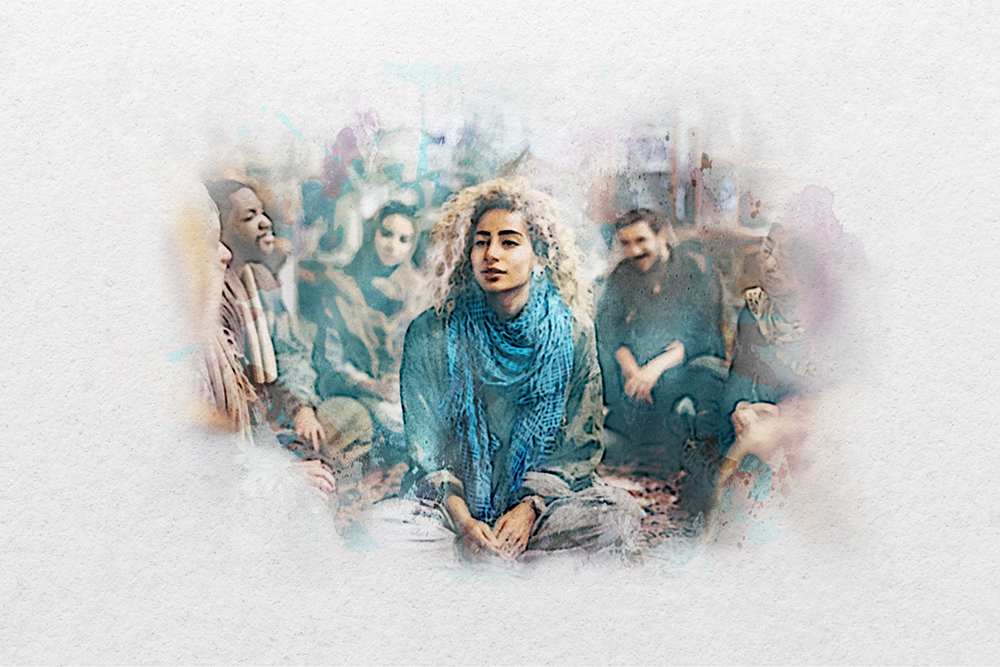
A safe space created for queer youth to share their stories.
Participatory grant making has made accommodations from the delays that come with these challenges. Even the grant makers are exercising trust on their end.
Love Alliance was the first donor to Sawt Trans South, a Marrakesh based participatory and open organisation formed in 2022 to promote the rights of the trans community.
The funding supported their project; a campaign called “3obouri”. The project is aimed at raising awareness about sexual and reproductive health rights, safe sex, and healthy practices to combat STIs and epidemics.
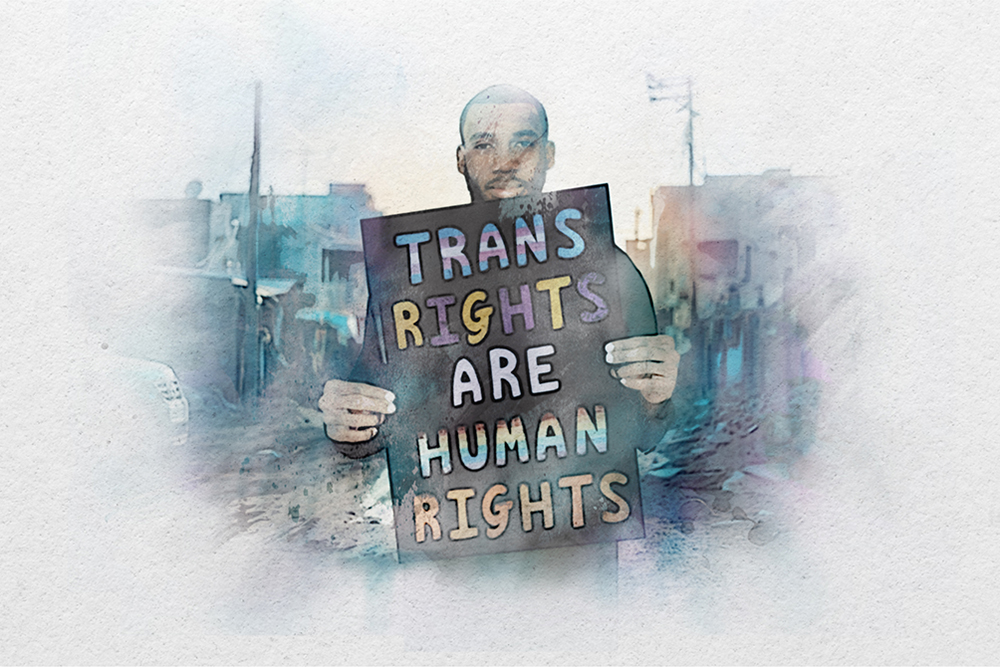
It is important to keep advocating for LGBTIQ+ rights.
Their advocacy was directed towards destigmatisation using storytelling and knowledge sharing instead of a confrontational approach. Using social media as a source of distribution, they were still able to highlight the lived experiences of trans people living in southern and central Morrocco.
Trust and safety are a key element in this kind advocacy work. By allowing communities to speak even if they cannot necessarily be seen, express their needs, and take leadership in shaping the activities. The trust-based approach created genuine collaboration. The trust meant that they could implement their projects without fear of losing their funding whenever plans needed adjustments.
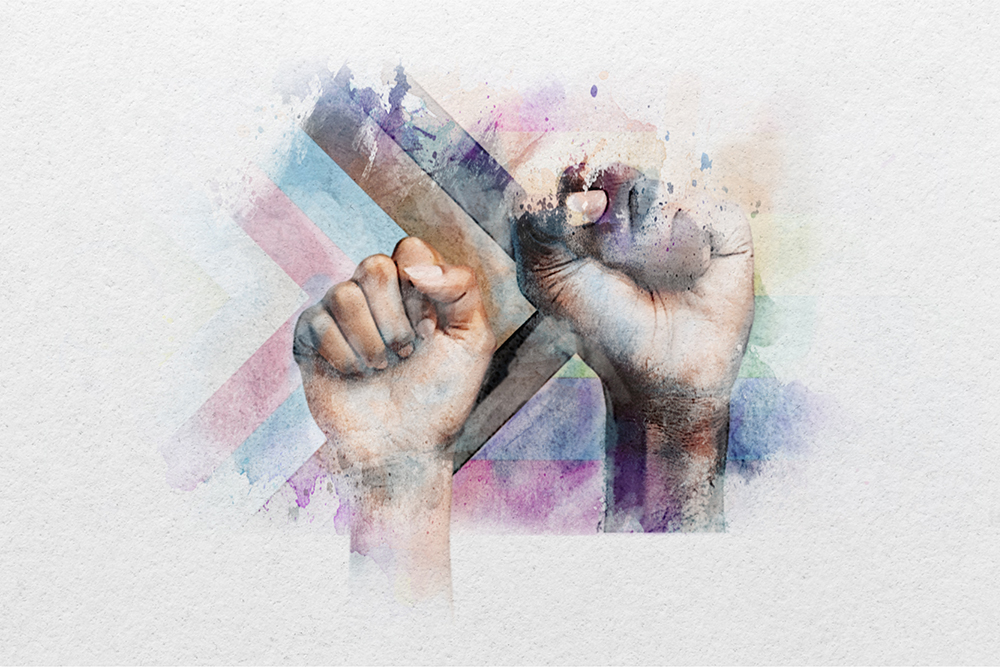
Community leaders are speaking up about stigma and discrimination.
Trust also came into action when protecting their team and their participants. As gender identity remains sensitive as a topic in Morrocco, privacy policies and secure communication tools remain paramount. The impact of all of this is that young organisations like Sawt Trans South have undergone real transformation. One that has helped strengthen organisational capacity and improve how they manage advocacy projects.
Trans leaders are empowered to lead within their communities. They are beginning to speak about stigma and discrimination. The networking opportunities across regional and international movements has grown their strategic knowledge and heightened visibility. One that is genuinely community-led.
In many ways Love Alliances grant making across the region is the birthing of an advocacy structure in tandem with communities and their local methods of organising. A system that is centred on the ethos of trust.
Slowly but surely countries, and communities are building their capacity, knowledge and infrastructure. Consequently they are shifting culture, changing policy and finding freedom.