

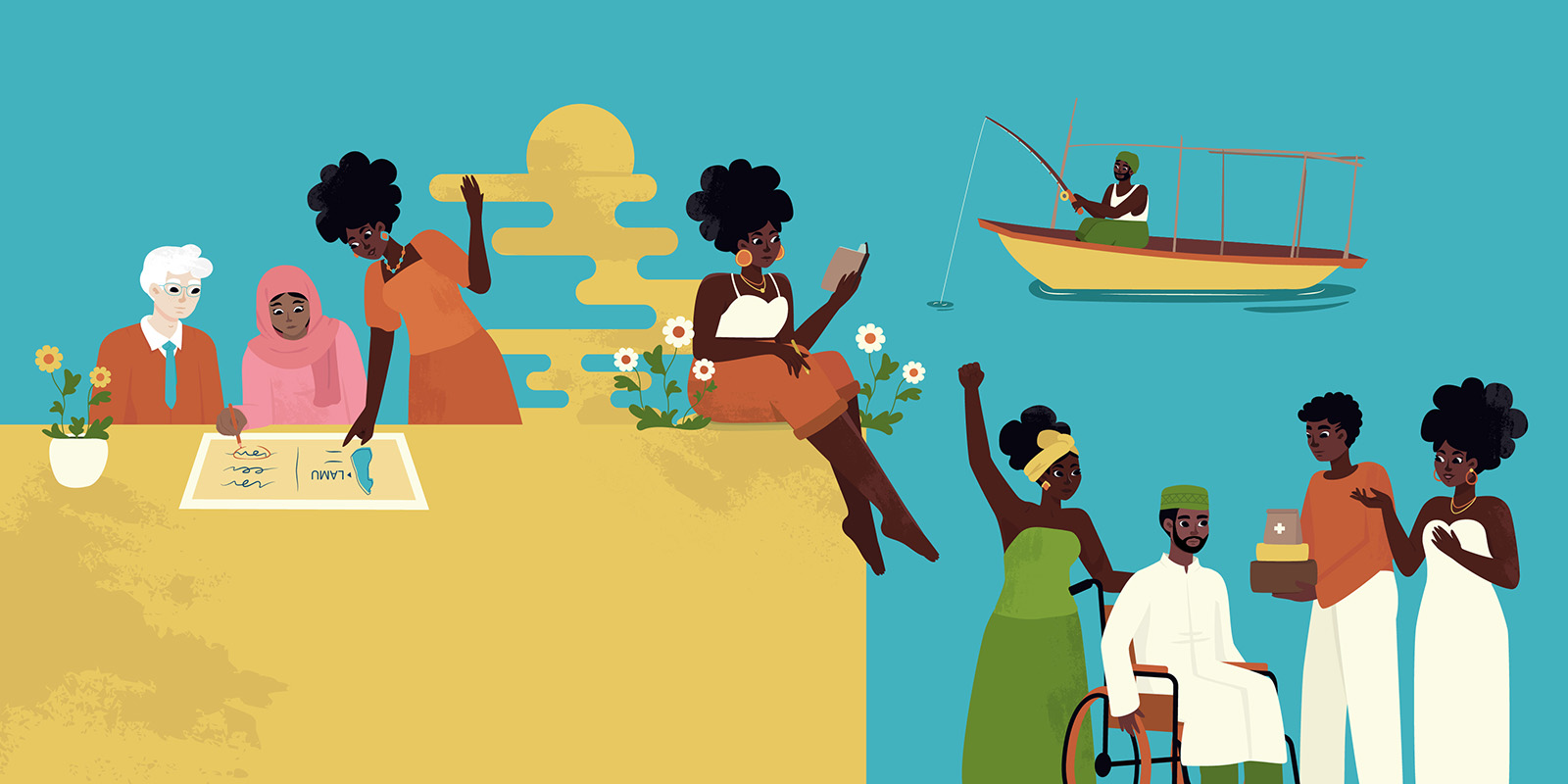
Off the shores of Kenya in the Indian Ocean, is the port city of Lamu. Lamu’s history is a melting pot of cultures and traditions from Arabic and Persian, to Indian, European and Swahili. It is known for its beaches, architecture and beauty. Lamu is also a religious centre in East Africa and conservative.
In Lamu, Lulu Muhammed lives as a transwoman and sex worker. Women like Lulu are often subject to violence, stigma and social exclusion. Lulu works with Muamko Mpya, an organisation she founded advocating for the rights of trans people and amplifying the voices of sex workers. Muamko Mpya, is a Swahili phrase that translates to ‘new dawn or new awakening’. A phrase that serves as both instruction and prophesy.
Lulu wrote her first grant funding application under a tree in Lamu filled with a potent cocktail of trepidation and hope running through her veins. Indeed the name of the organisation was a new dawn for Lulu and her community.
Since 2016 UHAI; East Africa’s sexual health and rights initiative based out of Nairobi, Kenya have been their main funder.
UHAI is also Africa’s first indigenous, activist-led and peer founded fund which means that it’s mode of grant implementation is community centred. They are about supporting real people and real needs.
Through the Love Alliance programme, UHAI have been able to empower movements across the region with support and strategy. Over the last five years they have sustained partnerships, innovation and growth across Kenya, Uganda and Burundi.
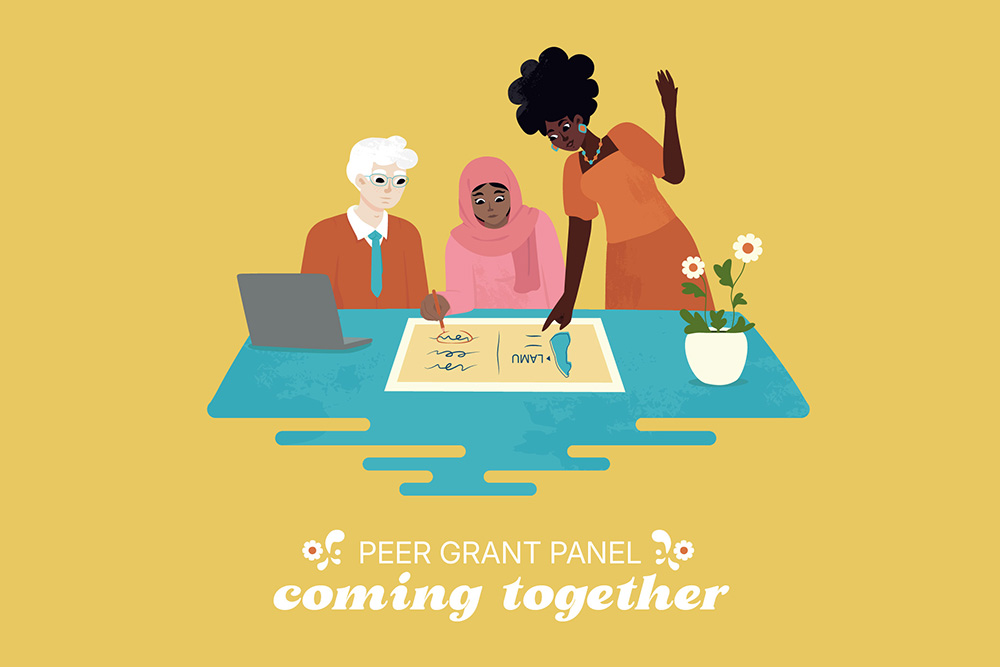
Since Muamko Mpaya received their first grant, Lulu has grown to become a part of the grant making committee helping to shape community decisions and expanding from grassroots to a recognised community-based organisation. With participatory grant making as it’s mechanism, a committee of activists are nominated by the movement. This committee forms a peer grant panel who review proposals, decisions and resource allocations to support movements. These delegates attend to different things for discussions. They become the secretariat, a kind of community administration office.
Lulu’s organisation is still the only one doing the kind of work it does in Lamu. As a result of the knowledge she has acquired, the organisation has diversified their portfolio from being trans sex worker led to LGBTQI advocacy.
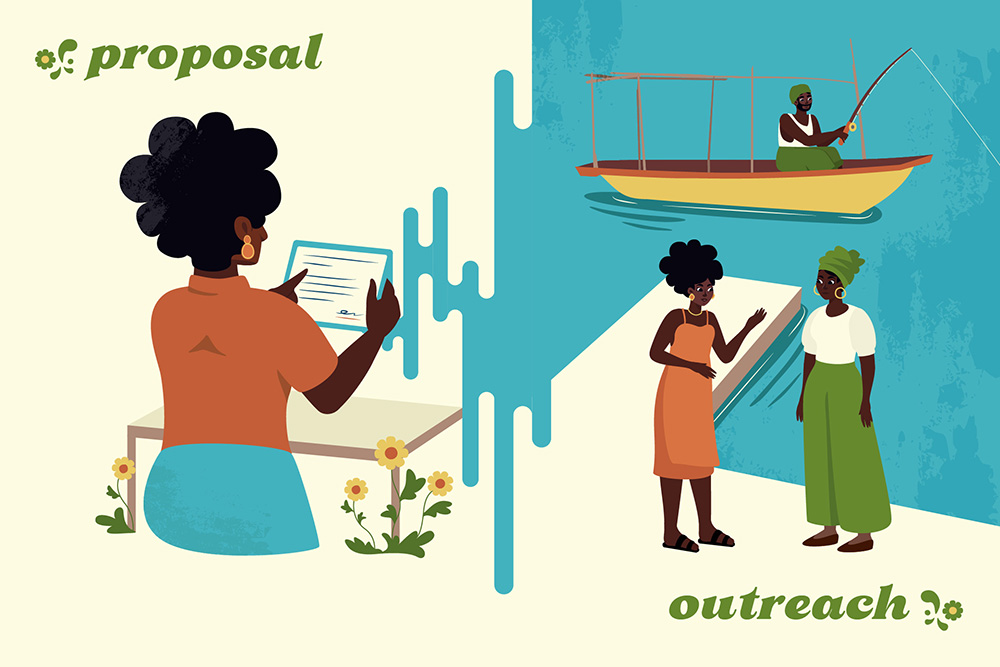
The result has been a power shift. From decision making to resource allocation, communities review and decide what needs and causes to prioritise. The nonthematic and flexible resources respond to the community’s agenda supporting reality and real needs.
For Lulu, the growth and impact have been exponential. Her organisation now acts as an intermediary to other networks where they work as a coalition, creating a system of trust and a ripple effect of empowerment, even winning some court cases. Through her experience as a member of the peer grant committee, her leadership skills have been strengthened, the movement is also fortified and the community transformed. The flexibility of the funding supported safety, mental health and psycho-social support as well as programmes that enable dialogue with religious leaders. Crucial elements needed to safeguard the lives of trans people and sex workers living in conservative communities.
When trans sex workers like Lulu become community leaders, they become the co-designers of transformation, produce tangible results not abstract change. Lulu has learnt to incorporate digital tools making the process of her work more accessible. She has gained cross regional knowledge from other communities in Kenya. She understands the need for inclusive and intersectional representation. She acknowledges what it will take to sustain the work of community organising, promote resilience in the ecosystem and enhance community ownership. Lulu understands the road ahead and doesn’t take it lightly.
Over nine hundred kilometers from Lamu, is the city of Kampala. Uganda’s bustling capital and commercial city. Inside the city resides an organisation supporting LGBTIQ communities through social welfare, advocacy and access to healthcare called Icebreakers. Bob Bwana serves as its programmes lead. He started off in 2012 as a volunteer before becoming a peer educator and then programmes lead. The support he received encouraged him to move up. It allowed him explore and bring more of himself, his ideas and experiences into the movement.
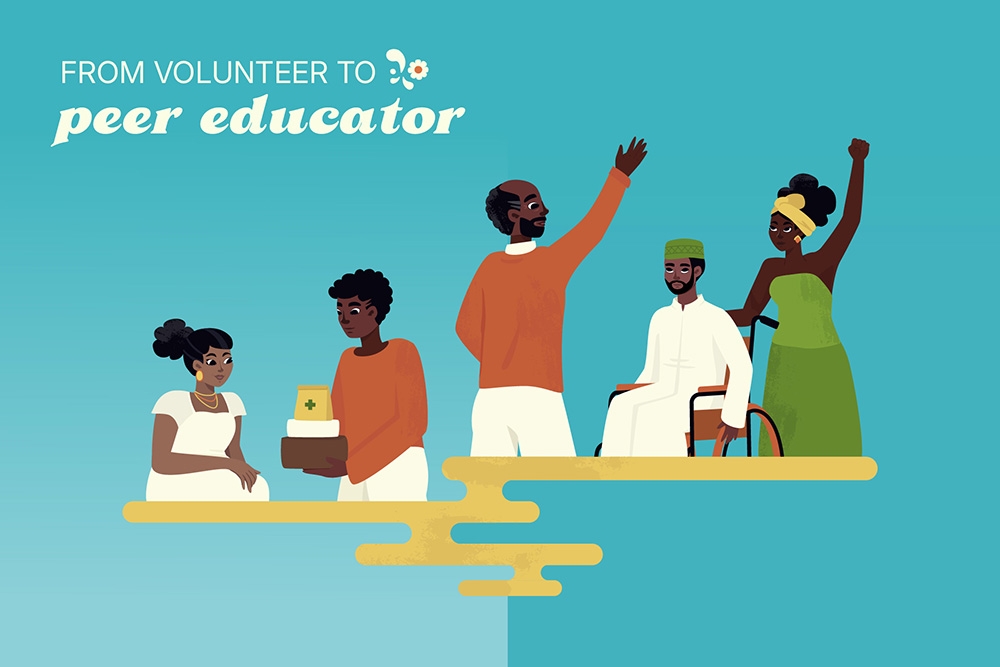
The ability to make decisions on projects felt like wind beneath his wings. Bob believes the ability to explore builds you. It builds your skill and now he has a lot of proficiencies to share. By doing this, he is paying it forward to the future of young activists. “Love Alliance has become a pacesetter for grant making and grant management” Bob says. The work is evident in their sensitisation programme offering other organisations the skills and knowledge to prevent the spread of mpox, an infectious viral disease.
Much like it is for Lulu, Bob has also experienced cross learning opportunities with activists and organisations in Kenya, he has engaged in conversations with Nigeria, and South Africa.
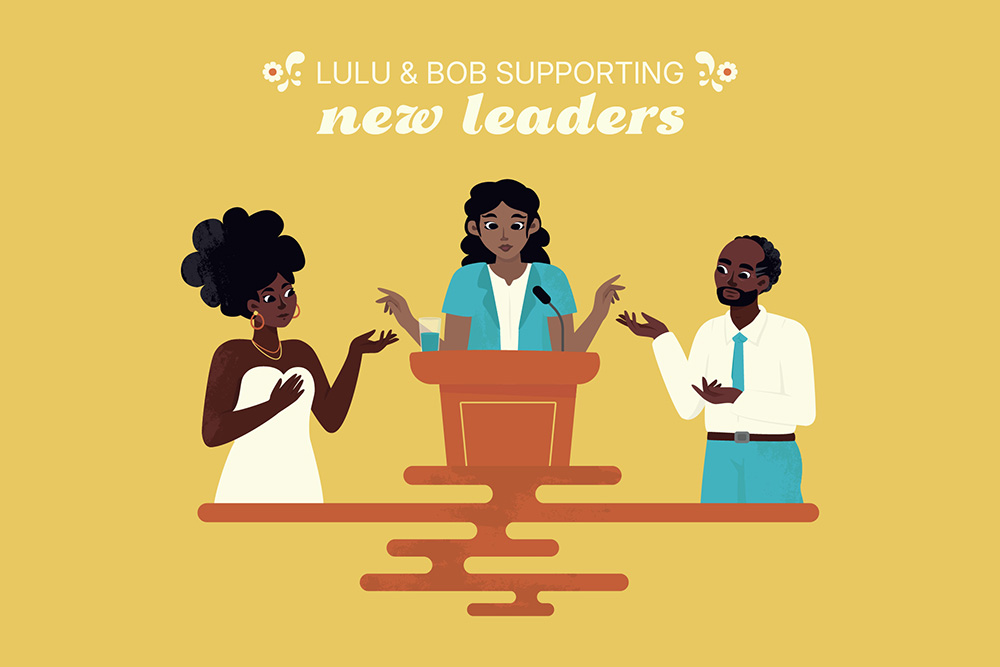
For women like Lulu and men like Bob, Love Alliance isn’t just funding projects, but it is building people. It is building people with skills, leadership, exposure, infrastructure and confidence. It is changing the lives of people who become a ripple effect on their communities. Eventually they pass the baton consequently empowering others. “This has transformed me; it means a lot to me” says Lulu Muhammed.
Some people say that the people are the architecture, and others say that the people are the institution. Either way, it all starts with the people. The people are the match; they are the spark that ignite the fire.