“Everything was taken from me”: Life, loss and survival in a Ukrainian shelter
Read story
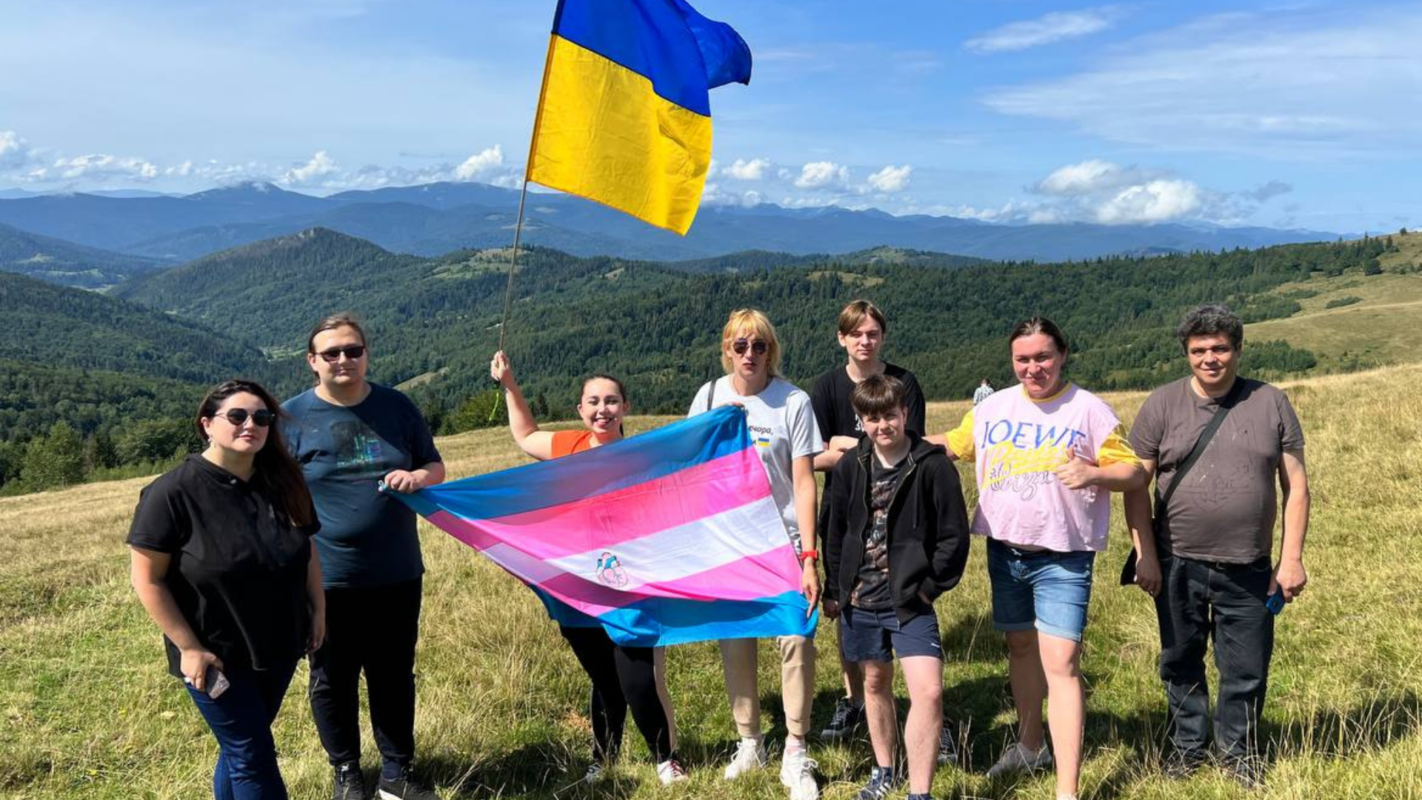
The Emergency Support Fund, initiated by Aidsfonds in 2022 in response to the full-scale invasion of Ukraine, provided uninterrupted services and safety for people living with and vulnerable to HIV in Central & Eastern Europe and Central Asia (CEECA) region, including Ukraine. The region has the fastest growing HIV epidemic in the world.
The Fund focused on addressing the urgent unmet needs of key populations, building the capacity and sustainability of the community systems response, and addressing the scarcity and fragmentation of international funding for key populations. It provided small, middle and larger grants to local community-led and community-based organisations, enabling them to deliver low-threshold, fast-paced, client-oriented aid to the people around them.
In the 3 years of its existence, the Fund awarded around 200 grants totalling over 3 milion euro, providing support to at least 400.000 people across 15 countries.
thousand new HIV infections in 2021
people living with HIV were on treatment in 2021
increase in AIDS-related deaths since 2010
We have the knowledge and tools to create an HIV-free future globally, yet AIDS-related deaths in the Central and Eastern Europe and Central Asia (CEECA) region have increased by 48% since 2010. The region faces a public health crisis, political instability, war, and increasingly restrictive civil society legislation, combined with global development funding cuts.
Global development funding cuts
The CEECA region is the only region in the world where both new HIV infections and AIDS-related deaths are rising, with an estimated 2.1 million people living with HIV – of which half do not have access to life-saving treatment. Despite this, international funding is steadily declining, with global donors expecting national governments to step in. However, in several countries, less than 50% of HIV prevention programs for key populations, those that are most affected by HIV, are state-funded. This means that global development funding cuts have a direct impact on access to HIV services.
Disruption of HIV services
According to a survey of 47 community organisations across CEECA conducted by ECOM1 and EHRA2 in March 2025, one in four reported immediate risks of service interruption due to their dependence on PEPFAR funding, and 35.7% lost funding entirely. This has forced closures, staff layoffs, and disruption of HIV testing, PrEP distribution, and treatment access. In total, an estimated 250,000 people have already been affected, with up to 400,000 at risk if current trends continue.
We know that directly supporting communities that are at the highest risk of infection is the most effective approach in the response to HIV. They know best what they need to remove the barriers to prevention and treatment.
Through the participatory grantmaking model, in-country and regional experts determine which key population-led or key population-based organisations in the region receive funding for their activities. That’s why in 2023 we proudly transferred grantmaking responsibilities to two community-based organisations in the region (ECOM and APH). Together with them, we set up a participatory grantmaking model, whereby communities decided on the distribution of grants themselves. With the model, we followed the belief that, more than ever, communities in the region should be at the steering wheel of the decisions on HIV programming and support.
Each year, we made funding available to key population-led and key population-based organisations to ensure:
APH
109 small grants up to 5000 euros were provided to 61 community-led organisations and initiative groups in Ukraine, demonstrating their leadership qualities in quick response to the urgent needs of key populations. The grants covered various needs, such as food, medicine, hygiene products, access to treatment, psychological counselling, employment counselling, etc.
As a result, a total of 42,214 people had access to services provided by communities to communities. Among them were representatives of people who inject drugs, sex workers, LGBTIQ people, OST clients, (former) prisoners, people living with HIV and other communities affected by HIV.
APH facilitated knowledge exchange between the representatives of key populations and collaborated with key population-friendly organisations. Because of this, some of newly registered initiative groups managed to reach out to a larger number of people in need of services and were able to apply for other funding opportunities which shows the sustainability of applied approach.
ECOM
28 applications from 10 CEECA countries were approved following two calls for proposals by ECOM to support community-led organisations and groups serving key populations vulnerable to HIV. The calls focused on self-organisation of migration communities; countering repressive laws; eliminating political barriers for migrants with HIV; and providing services to key populations in migration. Two applications each from Azerbaijan, Armenia, Romania and Slovakia; three applications each from Kazakhstan, Kyrgyzstan, Lithuania and Poland; and eight applications from Georgia were approved.
Accordingly, over 3,800 individuals from key populations received services, with over 6,000 consultations from a range of specialists on health and social issues (52%); mental health consultations (39%); and legal consultations (9%). Temporary residence, food aid, employment support, and medical assistance were also provided.
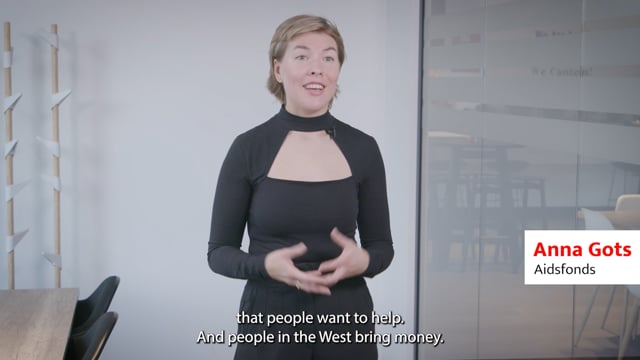
In this video, we explain the importance of participatory grantmaking and what Aidsfonds has been doing to enable tailored responses for community-led organisations in Eastern Europe and Central Asia.
Read story

Read story
The Emergency Support Fund for Ukraine and CEECA Region (ESFU) was supported by a grant from Gilead. The grant was part of Gilead’s Zeroing In program that aims to help reduce health disparities, improve access to quality healthcare, advance medical education and support local communities most impacted by the HIV epidemic and COVID-19 pandemic. We are thankful for Gilead’s unwavering support for the ESFU.

Aidsfonds is interested in working together to further strengthen community leadership, increase HIV prevention choices, and improve treatment outcomes and quality of life of people living with or exposed to HIV. We want to talk to anyone who shares our dream and wants to join us on a journey toward a world free of AIDS.
Get in touch!