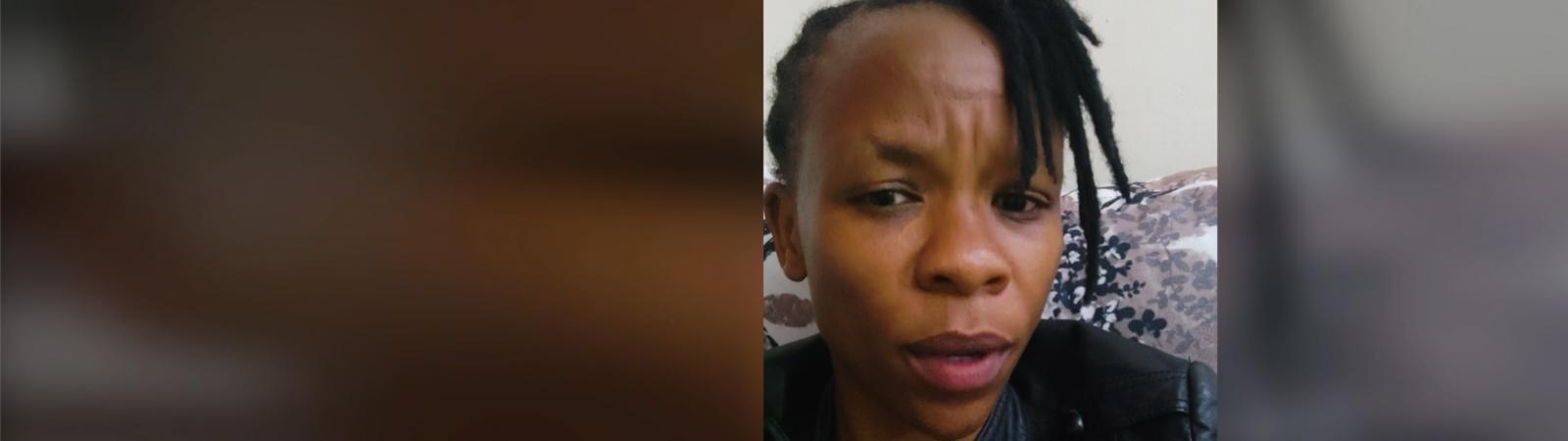
Young people need to be in charge of their own health. To ensure that this happens, “listen to our opinions, give us a voice, and also provide us with those spaces so that we will be able to advocate for our own issues because we are the experts of our own lives”, states Merci Niyibeshaho of Y+ Kenya. Watch her compelling message in the video below!
“Young people are faced with most health challenges in sexual and reproductive health services, new HIV infections, and mental health”
“Currently, young people are the ones faced with the most health challenges that we have right now globally. That is in terms of sexual and reproductive health services, increasing new HIV infections, and even mental health. This is why it is important that young people take responsibilities of their own health and lives to ensure that we are accountable for our own health, we are responsible and we own it in general. Also it is important to ensure that we take lead because we are the ones to know the challenges we are facing, where the problem is and even the solution to these challenges, because we are the experts of our own lives. To ensure that this happens, listen to our opinions, give us a voice, and also provide us with those spaces so that we will be able to advocate for our own issues because we are the experts of our own lives.”
About YouthWise
The YouthWise project aims to amplify the voices of young people living with HIV in Kenya and Malawi to enable them to practice self-care and fulfil their sexual and reproductive health and rights needs. YouthWise is a youth- and women-led project, implemented by Y+ Global, Y+ Kenya and Y+ Malawi which are networks of young people living with HIV, AYARHEP (Ambassador for Youth and Adolescent Reproductive Health Programmes) in Kenya and the Coalition of Women Living with HIV and AIDS (COWLHA) in Malawi.
There is a high need to improve treatment outcomes and quality of life for adolescents and young people living with HIV. YouthWise aims to amplify the voices of young people living with HIV in Kenya and Malawi to enable them to practice self-care and fulfil their sexual and reproductive health and rights (SRHR) needs.
From Barrier to Bridge – How a Network is Building Bonds Between Police and Communities
From Barrier to Bridge – How a Network is Building Bonds Between Police and Communities
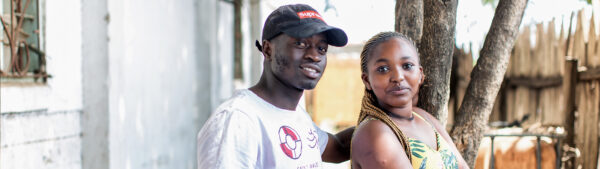
For the longest time, the absence of law enforcement at the table has been a critical missing piece in the jigsaw of HIV prevention and public health interventions. Whether through prejudice, lack of access to services, stigma and discrimination, public health outcomes are greatly affected by criminalisation. The lives of LGBTIQ+ people, sex workers and people who use drugs are disrupted daily through state sanctioned violence and criminalisation enacted by law enforcement. Recognising this gap, Aidsfonds, in close collaboration with its partners stepped in, bringing together communities, health service providers and law enforcement. Munya has been at the heart of this work, helping translate that collaboration into tangible change.
Our response to Dutch coalition agreement: reclaim leadership role in sexual health
Our response to Dutch coalition agreement: reclaim leadership role in sexual health
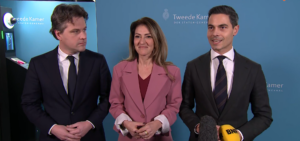
Aidsfonds – Soa Aids Nederland responds positively to the Dutch coalition agreement presented on Friday, January 30 by D66, VVD and CDA. In particular, the additional investments in international cooperation and the increased focus on prevention in healthcare are important steps forward. The organisation stresses that this is the moment for the government to reclaim the Netherlands’ leadership role in sexual health, both nationally and internationally.