


Hands Off – Reducing violence against sex workers
The Hands Off programme works to reduce violence against sex workers at community, national and regional level.
Sex workersRead more
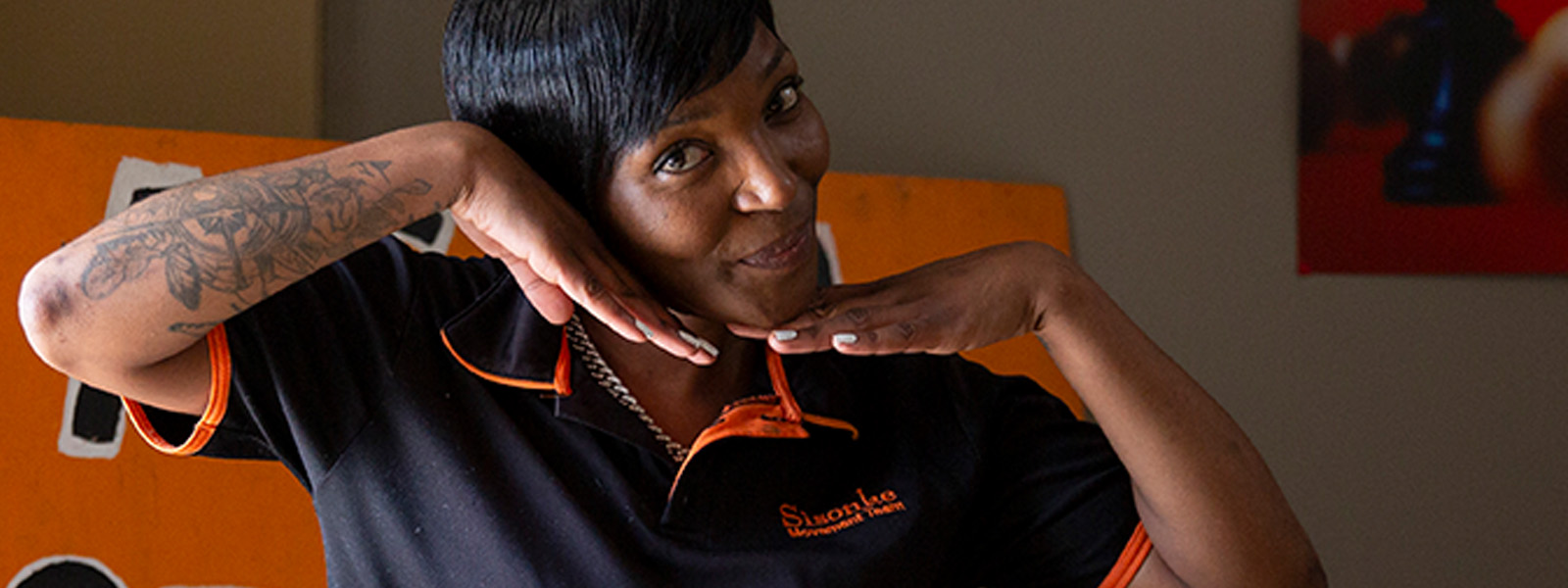
70% of sex workers in Southern Africa report experiencing violence. Reducing violence can lower their risk of HIV by 25%. Through the Hands Off programme, Aidsfonds and its partners in Southern Africa work towards supportive laws and protective services, care and support to secure the safety and wellbeing of sex workers – ultimately reducing their risk of HIV. The programme is funded by the Embassy of the Kingdom of the Netherlands in Mozambique.
The Hands Off programme works to reduce violence against sex workers at community, national and regional level.
Sex workersRead more

Sidaction and Aidsfonds are pleased to jointly launch a call for scientific proposals for the year 2026, aimed at accelerating advances in HIV cure research. The aim of this call for proposals is to fund research projects exploring mechanisms or strategies that will contribute to achieving a cure or remission for HIV. Projects may investigate mechanisms to target the viral reservoir or enhance immune-driven control, the development of new therapeutic concepts, as well as research in the social sciences related to HIV cure or remission. Through this call, we aim to support research that will ultimately lead to major biomedical breakthroughs, foster social acceptance of cure interventions, and promote an HIV cure accessible to the largest possible number of people living with HIV worldwide.
Read more

For the longest time, the absence of law enforcement at the table has been a critical missing piece in the jigsaw of HIV prevention and public health interventions. Whether through prejudice, lack of access to services, stigma and discrimination, public health outcomes are greatly affected by criminalisation. The lives of LGBTIQ+ people, sex workers and people who use drugs are disrupted daily through state sanctioned violence and criminalisation enacted by law enforcement. Recognising this gap, Aidsfonds, in close collaboration with its partners stepped in, bringing together communities, health service providers and law enforcement. Munya has been at the heart of this work, helping translate that collaboration into tangible change.
Read more