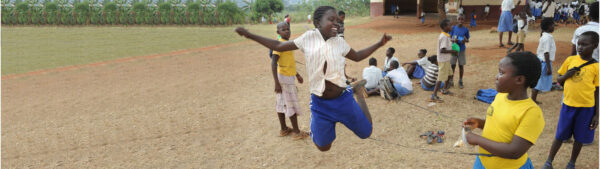
Communities continue looking after the children even when a project closes
Last updated on: 06 March 2024
What we can learn from that project is that empowered communities are a resource that can make a great impact in the health and lives of children living with HIV. Says David Bitira of Community Health Alliance Uganda, one of the valuable partners in the Towards an AIDS free Generation in Uganda (TAFU) programme. He reflects on eight years of TAFU programme and why community leadership is so important in ensuring children living with HIV have access to the care they need. Watch his interview!
“Children living with HIV live in communities. So the communities where these children live with HIV know better the health challenges of their children. Involving them in programs for HIV for children, addresses the actual needs of these children. But also, since they are living in the communities, they continue looking after the children even after the project has closed. TAFU program was a very successful project. And what we can learn from that project is that empowered communities are a resource that can make a great impact in the health and lives of children living with HIV.”
About Towards an AIDS Free Generation in Uganda (TAFU) Programme
The Towards an AIDS Free Generation in Uganda programme was Aidsfonds’ first paediatric HIV community intervention programme co-created with Ugandan community-based partner organisations. The program trained community resource persons and village health teams to identify children living with HIV, refer them to health facilities and follow up on them after they are enrolled in HIV care. Based on the successes and learnings of TAFU in Uganda, Aidsfonds scaled paediatric HIV programming to four other countries between 2018-2021: Zimbabwe, South Africa, Mozambique and Nigeria. These five programmes, co-developed with partner organisations form the basis for the Aidsfonds Kids to Care model for community-based paediatric HIV programming.
The Towards an AIDS Free Generation in Uganda (TAFU) programme was Aidsfonds’ first paediatric HIV community intervention programme. The programme trained up community health workers to identify HIV positive children, and link individuals to care and ongoing support. The programme was co-created through community leadership and engagement with key stakeholders, building on community knowledge of the needs of children living with HIV. Towards an AIDS Free Generation in Uganda changed the way that community-based paediatric HIV services were delivered.
Sidaction and Aidsfonds are pleased to jointly launch a call for scientific proposals for the year 2026, aimed at accelerating advances in HIV cure research.
The aim of this call for proposals is to fund research projects exploring mechanisms or strategies that will contribute to achieving a cure or remission for HIV. Projects may investigate mechanisms to target the viral reservoir or enhance immune-driven control, the development of new therapeutic concepts, as well as research in the social sciences related to HIV cure or remission.
Through this call, we aim to support research that will ultimately lead to major biomedical breakthroughs, foster social acceptance of cure interventions, and promote an HIV cure accessible to the largest possible number of people living with HIV worldwide.
From Barrier to Bridge – How a Network is Building Bonds Between Police and Communities
From Barrier to Bridge – How a Network is Building Bonds Between Police and Communities
For the longest time, the absence of law enforcement at the table has been a critical missing piece in the jigsaw of HIV prevention and public health interventions. Whether through prejudice, lack of access to services, stigma and discrimination, public health outcomes are greatly affected by criminalisation. The lives of LGBTIQ+ people, sex workers and people who use drugs are disrupted daily through state sanctioned violence and criminalisation enacted by law enforcement. Recognising this gap, Aidsfonds, in close collaboration with its partners stepped in, bringing together communities, health service providers and law enforcement. Munya has been at the heart of this work, helping translate that collaboration into tangible change.