HomeNews & storiesAIDS 2022: Shifting the power for community leadership
HomeNews & storiesAIDS 2022: Shifting the power for community leadership
AIDS 2022: Shifting the power for community leadership
Last updated on: 05 March 2024
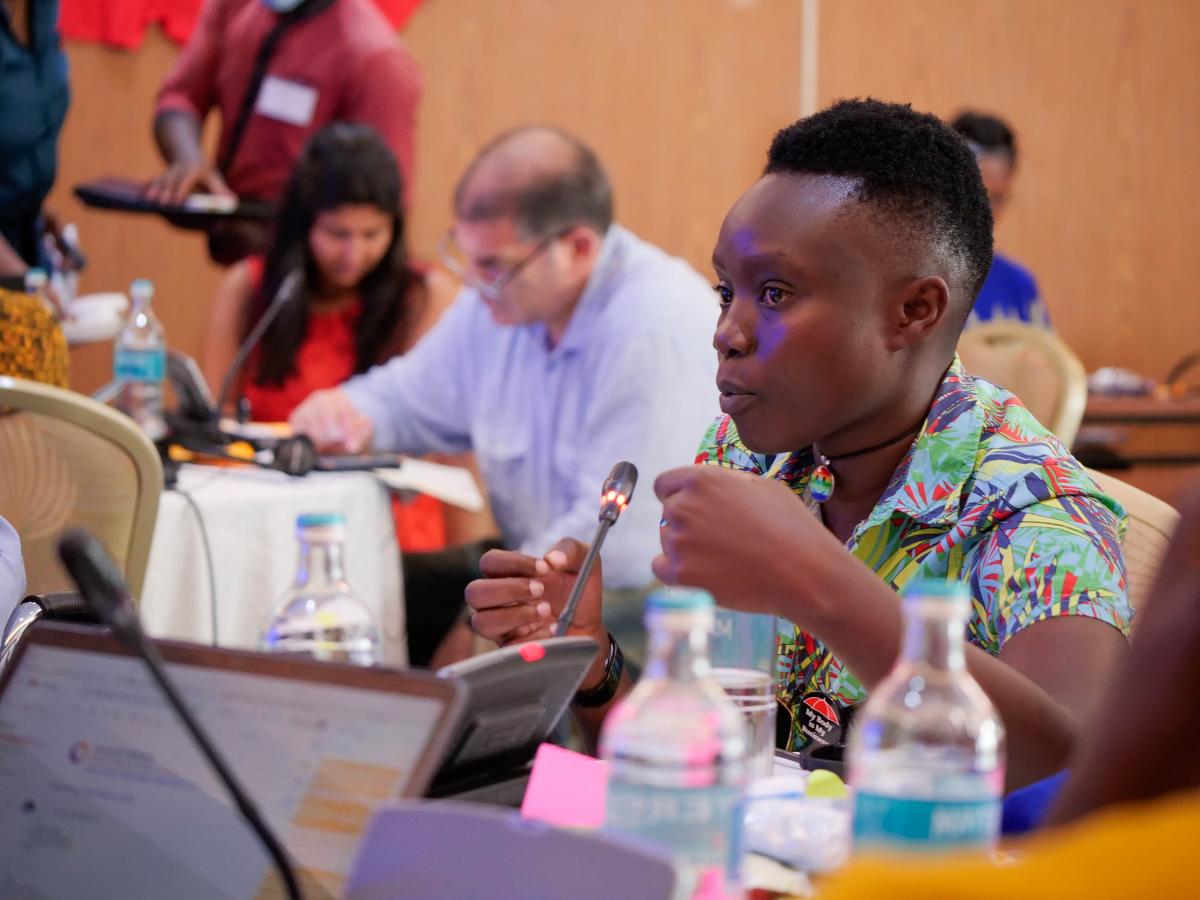
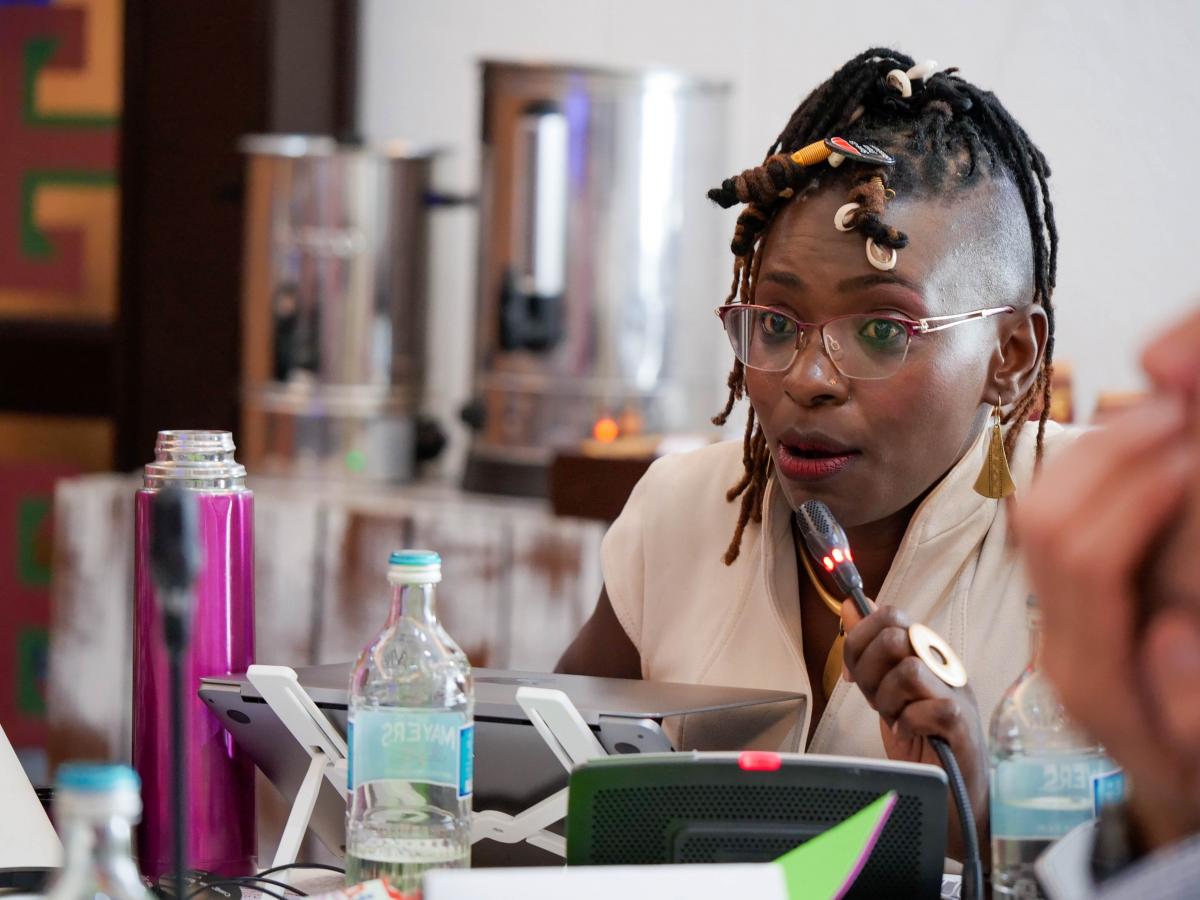
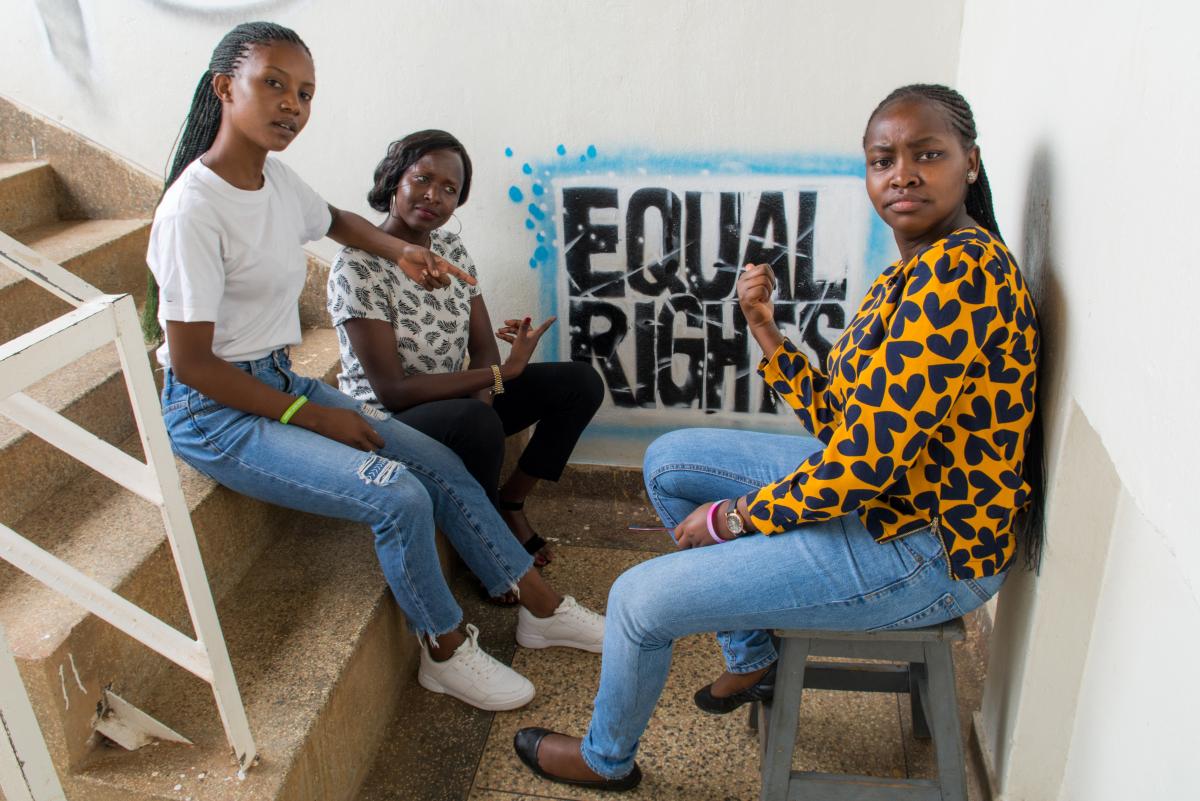
We hear it everywhere: it is time to shift the power. Communities should be in the driver’s seat of the changes that they envision. The buzzword ‘shifting the power’ sings around at most conferences and meetings, but do we really walk the talk? In reality, communities still have little control over funds and have limited resources as well, are hardly ever involved in the development of programmes, and are still being tokenised. The reality is bleak: only 2% of funding for HIV programmes targets key populations.
Activities in the Aidsfonds Networking Zone
Aidsfonds will be present in the Global Village at AIDS2022. Our networking zone offers insights and space for discussion on how to truly walk the talk: how can communities drive policies and programming? And we invite everyone to share ideas on how to go about the elephant in the room: power disparity.
At AIDS 2022, Aidsfonds and partners want to talk about the elephant in the room: power. What does power look like? How do we break the status quo? What is good donorship? How can communities drive policies and programming? Most of all: how do we truly walk the talk? As a modern/involved funder and implementer, Aidsfonds believes that a true power shift to communities is necessary to end AIDS by 2030 and to protect everyone’s rights along the way.
We believe that a true power shift is POWERED BY…
Communities taking the lead in programming
Communities know what works and which approach is most effective. Community-led and community-based programming enables people to take control in their own communities. Through co-creation and co-decision making, we jointly design, implement and evaluate our projects.
Communities taking control over their own health
Self-care increases the agency of one’s health. It can enable communities to prevent, diagnose and treat health issues in a private manner when and where it suits them best. Together with partners, we have built multiple (digital) self-care and health solutions that meet the need for accessibility, anonymity, and user-friendliness of SRHR/HIV information and services.
Communities taking the lead in advocacy
To achieve lasting positive change, policies and funding decisions should reflect the needs of communities. Through our advocacy loop, we link up country, regional and global advocacy that is fully informed by communities’ advocacy priorities and country-level evidence.
Partnerships for sustainable change
Collaboration is the cornerstone of everything we do. It ensures strong programmes; provides opportunities for new business models, and key donors become champions of community intervention models. We are an active member of several global networks and working groups. We joined forces with top researchers, communities and donors to find a cure for HIV. Only together, we can shift the power for sustainable change!
Communities taking the lead in funding decisions
Over the past decade, we have worked with and learnt from a multitude of funders and partners about participatory grantmaking. Handing over responsibility has forced us to look critically at our role as a funder. This has resulted in communities co-deciding on all our funding decisions forming a cornerstone of our 2022-2025 strategy. Money is power. We believe that through participatory grantmaking, we can shift the power to those people who matter most.
How to shift the power – a summary
Download our “Powered by” flyer for a quick and easy overview of the different ways to implement this power shift for community leadership.
From Barrier to Bridge – How a Network is Building Bonds Between Police and Communities
From Barrier to Bridge – How a Network is Building Bonds Between Police and Communities
For the longest time, the absence of law enforcement at the table has been a critical missing piece in the jigsaw of HIV prevention and public health interventions. Whether through prejudice, lack of access to services, stigma and discrimination, public health outcomes are greatly affected by criminalisation. The lives of LGBTIQ+ people, sex workers and people who use drugs are disrupted daily through state sanctioned violence and criminalisation enacted by law enforcement. Recognising this gap, Aidsfonds, in close collaboration with its partners stepped in, bringing together communities, health service providers and law enforcement. Munya has been at the heart of this work, helping translate that collaboration into tangible change.
Our response to Dutch coalition agreement: reclaim leadership role in sexual health
Our response to Dutch coalition agreement: reclaim leadership role in sexual health
Aidsfonds – Soa Aids Nederland responds positively to the Dutch coalition agreement presented on Friday, January 30 by D66, VVD and CDA. In particular, the additional investments in international cooperation and the increased focus on prevention in healthcare are important steps forward. The organisation stresses that this is the moment for the government to reclaim the Netherlands’ leadership role in sexual health, both nationally and internationally.



.jpg)