Background
Nigeria carries one of the highest paediatric HIV burdens in the world. An estimated 212,000 children and adolescents are living with HIV, including more than 113,000 children aged 0-9 years and nearly 44,000 adolescents aged 10-14 years (NASCP, 2023). Despite progress in HIV treatment, children continue to be left behind. Only 31% of children aged 0-14 years living with HIV are receiving antiretroviral therapy, compared to much higher treatment coverage among adults.
A major challenge is that many children are never identified. Infants born to mothers who were not tested during pregnancy, who acquire HIV during breastfeeding, or who are born outside formal health facilities often miss opportunities for early diagnosis and treatment. HIV testing is also not consistently integrated into child health services such as immunisation, nutrition and outpatient care, leaving many children undiagnosed until they become seriously ill.
The consequences are severe. In 2024, Nigeria recorded an estimated 21,941 new HIV infections among children aged 0-14 years and 15,100 AIDS-related deaths in the same age group (NDARS, 2024). While treatment outcomes for children who access care are encouraging, far too many children are still being diagnosed late or not at all.
Objectives
- Generate evidence and scale proven approaches to reach more children: APIPHCare+ supports health facilities and local authorities to use data to identify gaps in paediatric HIV services and improve their response. Through learning, knowledge sharing and continuous improvement, the project helps expand effective approaches that increase HIV testing, treatment initiation and retention in care. Lessons learned will support the scale-up of successful strategies across Rivers State and beyond.
- Ensure more children receive timely HIV care: The project identifies children living with HIV who would otherwise remain undiagnosed and links them rapidly to treatment and care. Through integrated services delivered across communities and health facilities, APIPHCare+ reaches families who are often left behind by conventional healthcare systems.
- Strengthen sustainable systems for greater long-term impact: APIPHCare+ works with government and local partners to strengthen health systems, improve the use of data and support policies that improve HIV services for children and mothers. This helps ensure that successful approaches continue beyond the project period and can be adapted and scaled to benefit more communities.
What the project does
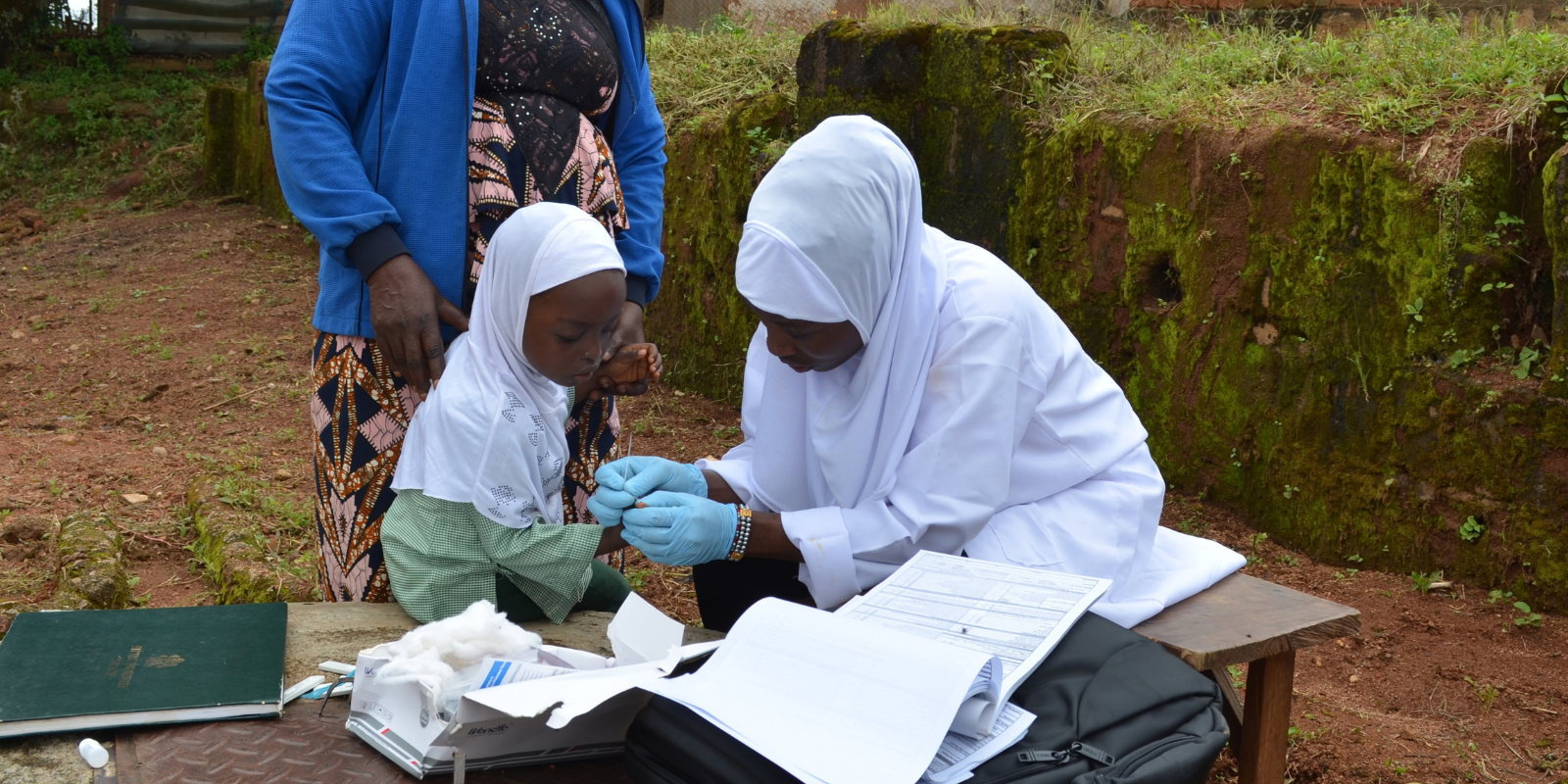
APIPHCare+ identifies children living with HIV who are being missed by existing health services and connects them to lifesaving treatment. Working through communities and health facilities in Rivers State, the project reaches children and families who might otherwise remain invisible to the healthcare system.
Working with community health workers, traditional birth attendants, counsellors and healthcare providers, APIPHCare+ identifies children at risk through household testing, community outreach and active follow-up. It also strengthens prevention of vertical transmission and early infant diagnosis by helping pregnant and breastfeeding women access treatment and ensuring HIV-exposed infants receive timely testing and care.
To help children remain healthy and engaged in care, the project provides child-friendly HIV services, including counselling, psychosocial support and caregiver support. Recognising that HIV often coincides with other health challenges, APIPHCare+ promotes a more integrated approach that strengthens links between HIV services and broader child health support, such as for malnutrition or malaria.
The project also strengthens local health systems by improving data use, supporting collaboration between communities and health facilities, and learning. APIPHCare+ will explore innovative approaches, including HIV self-testing. Practical lessons and successful approaches will be shared through best-practice briefs, case studies, learning products and government dashboards to support wider adoption and scale-up.
Contribution to the Paediatric HIV Partnership
This project is part of the Paediatric HIV Partnership.
Beyond delivering services, APIPHCare+ generates practical evidence on how to identify, link and retain children living with HIV in care. Through data, learning products, case studies and implementation tools, the project helps partners replicate and scale effective approaches in other settings.
By demonstrating what works and sharing lessons across the Partnership, APIPHCare+ contributes to stronger paediatric HIV programmes and supports the Partnership’s goal of ensuring that no child is left behind in the HIV response.
Role of partner and Aidsfonds
The APIPHCare+ project is implemented by Society for Family Health Nigeria. Aidsfonds supports the project as the funding partner and facilitates learning and knowledge exchange across the broader Paediatric HIV Partnership, helping successful approaches reach more children living with HIV.